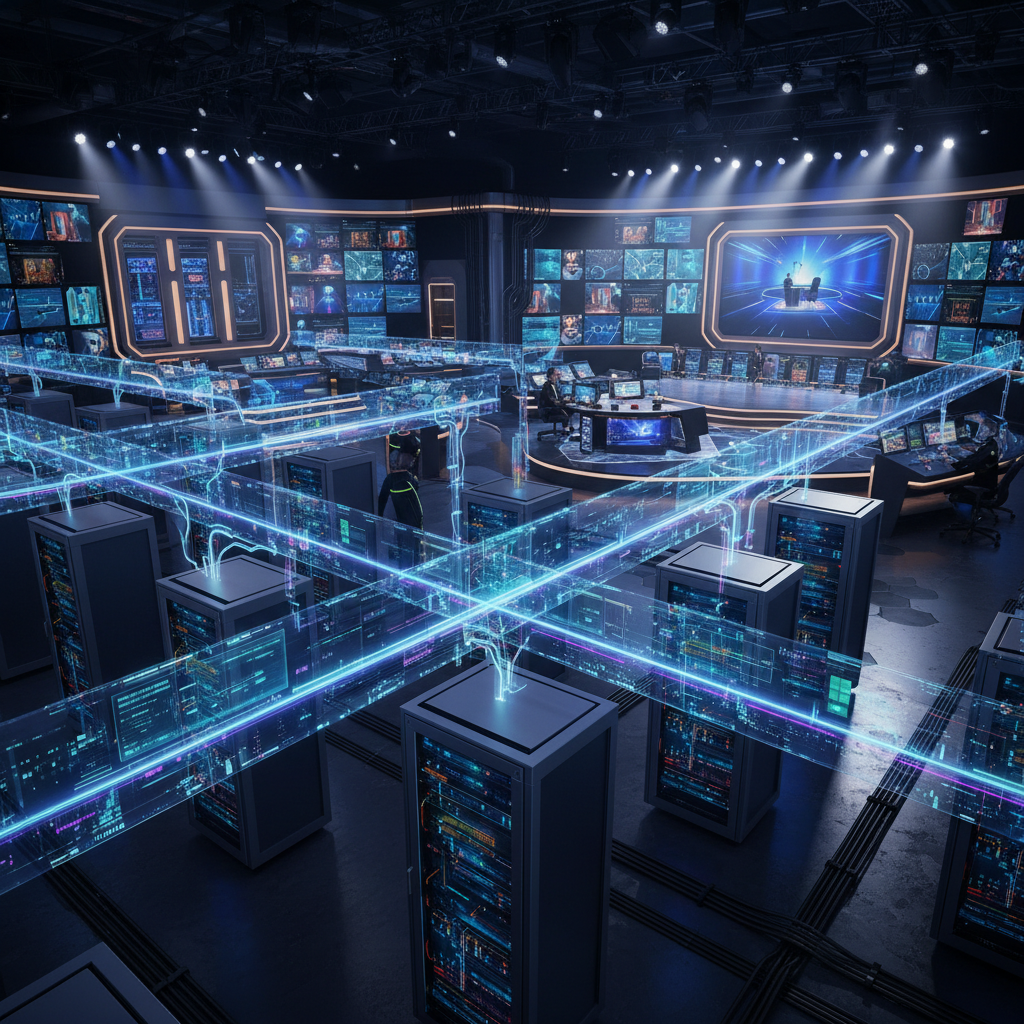
TL;DR: Modern late-night television, like Jimmy Fallon's Tonight Show, relies heavily on advanced engineering for everything from high-definition video capture and real-time graphics to global content distribution via streaming platforms and social media. It's a complex interplay of broadcast tech, cloud infrastructure, and data analytics designed to deliver seamless entertainment and maximize audience reach.
The Unseen Engineers Behind the Curtain
When we tune into a late-night talk show, whether it's for a celebrity interview, a musical performance, or a viral comedy sketch, our focus is naturally on the talent and the content. What often goes unnoticed is the immense technological infrastructure and the dedicated engineering teams that make it all possible. Shows like NBC's The Tonight Show Starring Jimmy Fallon are not just creative endeavors; they are sophisticated feats of media engineering, constantly adapting to new consumption habits and technological advancements.
From the high-definition cameras capturing every nuance to the complex audio mixing ensuring crystal-clear sound, and from the real-time graphics enhancing on-screen visuals to the global content delivery networks (CDNs) pushing clips to millions, technology is the silent partner in every laugh and every viral moment. For an engineering blog, understanding this backbone reveals the true scale of modern media production.
From Broadcast to Broadband: The Evolution of Delivery
Historically, late-night television was a purely linear broadcast experience. Signals traveled from the studio to local affiliates via satellite or fiber, reaching viewers through terrestrial antennas, cable, or satellite dishes. While traditional broadcasting remains a core component, the digital age has ushered in a multi-platform delivery paradigm.
Today, engineering teams manage concurrent broadcast streams alongside robust streaming operations. This involves:
- Live IP Video Transport: Moving high-quality video and audio feeds from the studio to various distribution points using IP networks, often leveraging protocols like SRT (Secure Reliable Transport) or NDI (Network Device Interface) for low-latency, high-fidelity transmission.
- Cloud-Based Encoding and Transcoding: Converting raw production feeds into multiple formats and bitrates suitable for different devices and network conditions (e.g., 1080p for smart TVs, lower resolutions for mobile). This often happens in real-time in cloud environments for scalability.
- Content Delivery Networks (CDNs): Utilizing global networks of edge servers to cache and deliver video-on-demand clips and live streams to viewers with minimal latency, regardless of their geographical location. This ensures a smooth viewing experience and reduces load on origin servers.
- Over-the-Top (OTT) Platforms: Integrating with streaming services like Peacock, YouTube TV, and other digital platforms, each with its own API requirements, DRM (Digital Rights Management) protocols, and analytics integration.
This shift demands expertise in network engineering, cloud architecture, video codecs, and robust monitoring systems to ensure uninterrupted service across diverse platforms.
Behind the Scenes: Production Workflow Engineering
The studio itself is a hub of technological sophistication. Every element, from lighting to sound, is precisely controlled and integrated:
- Advanced Camera Systems: Utilizing high-end cinematic cameras capable of capturing stunning visuals, often integrated into robotic camera heads for precise, repeatable movements controlled remotely by operators.
- Audio Engineering: A complex array of microphones, digital audio consoles, and signal processors ensures that every word, musical note, and audience reaction is perfectly balanced. This includes managing wireless frequencies, minimizing interference, and applying real-time effects.
- Real-time Graphics Engines: Systems like Vizrt or Ross Xpression power the dynamic on-screen graphics, lower thirds, and animated transitions. These are often integrated with data feeds for live updates (e.g., social media mentions, poll results) and require skilled operators and developers to create and deploy.
- Non-Linear Editing (NLE) Suites: Post-production teams use powerful workstations and shared storage solutions (SAN/NAS) to quickly edit segments, add effects, and prepare content for various distribution channels. Workflow automation is key to turning around clips rapidly for digital platforms.
- Asset Management Systems: Digital asset management (DAM) solutions are critical for organizing, archiving, and retrieving vast amounts of video footage, audio files, graphics, and metadata. This ensures efficient content reuse and historical archiving.
The Social Media Engine: Extending Reach and Engagement
Late-night shows thrive on virality. Engineering plays a pivotal role in transforming broadcast content into shareable digital assets:
- Rapid Clip Generation: Automated or semi-automated systems are in place to quickly identify, extract, and package key moments from the live show into short, engaging clips. This often involves metadata tagging and AI-assisted content segmentation.
- Multi-Platform Publishing: These clips are then optimized and published almost instantaneously across platforms like YouTube, TikTok, Instagram, and X (formerly Twitter). This requires robust APIs, content scheduling tools, and format conversion pipelines.
- Audience Analytics: Engineering teams work with data scientists to collect and analyze audience engagement metrics across all platforms. This data informs content strategy, helps identify trending topics, and optimizes publishing schedules to maximize reach and interaction.
- Interactive Elements: From live polls during commercial breaks to integrated social media feeds displayed on-screen, engineers build and maintain the systems that allow for real-time audience participation, making viewers feel more connected to the show.
Future Trends: AI and Personalization
The future of late-night television engineering will likely see deeper integration of artificial intelligence and personalization technologies. AI could assist in:
- Automated Content Moderation: Filtering comments and user-generated content for inappropriate material.
- Enhanced Metadata Tagging: Automatically identifying guests, topics, and key moments within video, making content more searchable and discoverable.
- Personalized Content Recommendations: Tailoring suggested clips or full episodes to individual viewer preferences based on their watch history and engagement patterns.
- Optimized Ad Insertion: Dynamically inserting advertisements based on viewer demographics and real-time content, moving beyond traditional linear ad breaks.
Conclusion
The enduring popularity and cultural relevance of late-night television owe as much to the ingenuity of its engineers as to the charisma of its hosts. From managing complex broadcast infrastructures to pioneering digital distribution strategies and fostering real-time audience engagement, the technological challenges are immense and ever-evolving. For engineering professionals, the world of late-night comedy offers a fascinating case study in how cutting-edge technology can amplify creativity and connect millions, one laugh at a time. It's a testament to the power of engineering to shape and deliver modern entertainment.