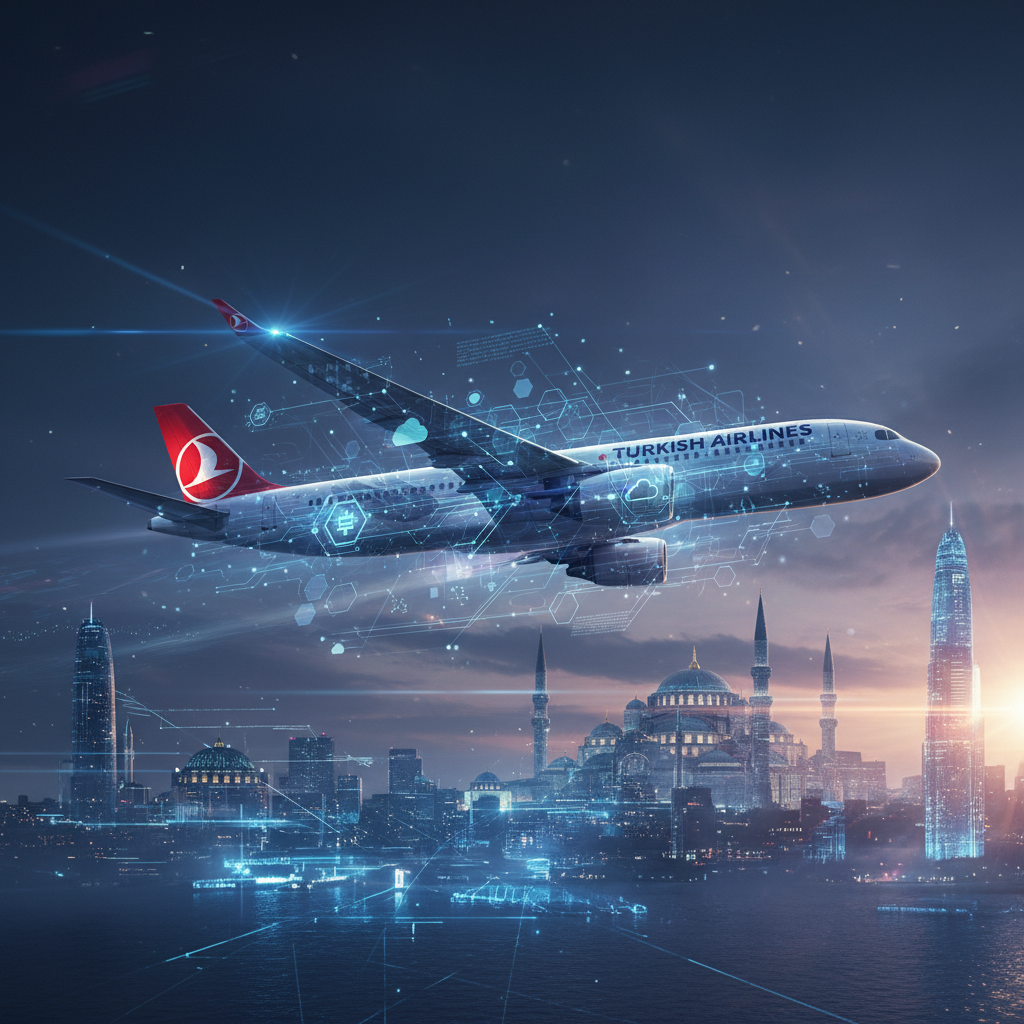
TL;DR Turkish Airlines has embarked on a significant digital transformation journey, integrating advanced technologies like IoT, AI, big data, and cloud computing. This strategic shift aims to optimize flight operations, elevate the passenger experience, streamline maintenance processes, and fortify cybersecurity defenses. By embracing innovation, the airline enhances efficiency, ensures safety, and maintains its competitive edge in the dynamic global aviation sector.
Introduction: Navigating the Digital Skies
Turkish Airlines, a prominent global carrier connecting continents, is not just about planes and routes; it's increasingly about data, software, and interconnected systems. In an industry renowned for its complexity and stringent safety standards, technology plays an ever-more critical role. From optimizing flight paths to personalizing passenger interactions, the airline's commitment to digital transformation is reshaping its operational blueprint and customer engagement strategies.
The modern aviation landscape demands agility, efficiency, and a relentless focus on the customer. Turkish Airlines recognizes that staying ahead requires more than just expanding its fleet; it necessitates a robust digital backbone that supports every facet of its extensive operations. This article explores the key technological pillars underpinning Turkish Airlines' evolution, showcasing how a traditional industry player is leveraging cutting-edge solutions to fly higher.
Operational Excellence Through Data Analytics
The sheer volume of data generated by a single flight – from engine performance to weather patterns and air traffic control directives – is immense. Turkish Airlines harnesses this big data through sophisticated analytics platforms to achieve unparalleled operational efficiency.
Fuel Optimization and Route Planning
Advanced algorithms analyze historical flight data, real-time weather conditions, and air traffic congestion to recommend optimal flight paths. This isn't merely about finding the shortest distance; it's about identifying routes that minimize fuel burn, reduce flight times, and avoid turbulent areas. Predictive models help in anticipating potential delays, allowing for proactive adjustments to schedules and crew assignments. The economic and environmental benefits of even marginal improvements in fuel efficiency are substantial for an airline of Turkish Airlines' scale.
Ground Operations and Turnaround Efficiency
Beyond the flight itself, technology streamlines ground operations. IoT sensors on ground support equipment, coupled with real-time tracking systems, provide a comprehensive overview of baggage handling, catering, and refueling processes. This data-driven approach minimizes turnaround times, ensuring that aircraft are ready for their next departure as swiftly and safely as possible. Efficient ground operations are critical for maintaining tight schedules and enhancing overall network reliability.
Elevating the Passenger Experience with Digital Solutions
For Turkish Airlines, technology extends far beyond the cockpit and control tower; it's central to crafting a seamless and personalized journey for its millions of passengers.
Intuitive Mobile Applications and Web Platforms
The airline's mobile app and website serve as primary digital touchpoints, offering functionalities from booking and check-in to flight status updates and destination guides. These platforms are designed for user-friendliness, integrating features like personalized recommendations, seat selection, and ancillary service purchases. Continuous iteration based on user feedback and analytics ensures these digital channels remain at the forefront of customer convenience.
AI-Powered Customer Service
Artificial intelligence, particularly in the form of chatbots and virtual assistants, is increasingly deployed to handle routine customer inquiries, provide instant support, and guide passengers through various processes. This not only improves response times but also frees up human agents to address more complex issues, leading to a more efficient and satisfying customer service experience.
In-Flight Connectivity and Entertainment
Recognizing the modern traveler's need to stay connected, Turkish Airlines has invested in robust in-flight Wi-Fi solutions. Furthermore, its entertainment systems are continuously updated, offering a wide array of movies, TV shows, and music, often with personalized content recommendations. This commitment to digital amenities transforms the travel experience from mere transit to an enjoyable and productive journey.
Predictive Maintenance: Keeping Aircraft in Peak Condition
Aircraft maintenance is a highly regulated and critical aspect of aviation. Turkish Airlines is leveraging cutting-edge technologies to move from reactive to proactive, predictive maintenance strategies, significantly enhancing safety and operational uptime.
IoT Sensors and Real-time Diagnostics
Modern aircraft are equipped with thousands of sensors that monitor everything from engine thrust and cabin pressure to hydraulic systems and landing gear. Turkish Airlines collects and analyzes this telemetry data in real-time. By applying machine learning algorithms to this vast dataset, engineers can identify subtle anomalies and predict potential component failures long before they manifest as critical issues. This allows for scheduled maintenance interventions during planned downtime, rather than disruptive emergency repairs.
Digital Twins and Augmented Reality in MRO
The concept of 'digital twins' – virtual replicas of physical aircraft components – is gaining traction. These digital models, fed with real-time data, can simulate performance and predict wear and tear. Furthermore, augmented reality (AR) tools are being explored to assist maintenance crews, overlaying digital instructions and schematics onto physical components, streamlining complex repair procedures and reducing human error. This technological leap in Maintenance, Repair, and Overhaul (MRO) operations translates directly into enhanced safety and reduced operational costs.
Cloud Infrastructure and Cybersecurity Fortification
As Turkish Airlines becomes more digitally integrated, its underlying IT infrastructure and cybersecurity posture become paramount.
Scalable Cloud Solutions
The airline is increasingly migrating its applications and data to cloud-based platforms. Cloud computing offers the scalability and flexibility required to manage fluctuating demand, support global operations, and rapidly deploy new digital services. This transition allows the airline to focus more on innovation and less on managing physical hardware.
Protecting Critical Systems and Data
The aviation industry is a prime target for cyber threats. Turkish Airlines employs multi-layered cybersecurity defenses, including advanced threat detection systems, robust data encryption, and stringent access controls, to protect its operational technology (OT) systems, passenger data, and intellectual property. Regular security audits, employee training, and adherence to international cybersecurity standards are integral to maintaining a resilient digital environment against evolving threats.
Conclusion: The Continuous Journey of Innovation
Turkish Airlines' journey into digital transformation is an ongoing testament to the power of technology in a traditional industry. By strategically investing in data analytics, AI, IoT, cloud computing, and cybersecurity, the airline is not just adapting to the future; it's actively shaping it. These technological advancements enable Turkish Airlines to deliver safer, more efficient, and more personalized travel experiences, solidifying its position as a leading global carrier in an increasingly interconnected world. The skies of tomorrow will undoubtedly be navigated by those who master the digital currents today.